
Colourisation
Photo Colorization
Old black-and-white photographs given real, researched colour — skin tones worked per face, period colours checked rather than guessed. Plus sepia, hand colouring and colour to B&W. From $3.50 an image.
No minimum orderFree trialPay per imageEdited by hand, not by AI
Why By Hand
One-Click Colour Guesses
Automatic colourisation has become genuinely impressive at first glance, and genuinely unreliable on the things that matter. It infers colour from what usually appears in photographs of that shape, which means it is averaging — and averaging produces muddy skin, brown-grey clothing, and a wash of sameness across a whole album.
It also has no access to the facts. It does not know the regiment, so it cannot know the uniform. It does not know the decade, so it cannot know whether that dye existed. It certainly does not know your grandmother had red hair. Those are the details a family actually looks for, and getting them wrong is worse than leaving the photograph alone.
Working by hand means building colour up per element — skin, hair, clothing, background — checking period references where the colour is knowable, and using whatever the family remembers where it is not. The test we work to is simple: it should look like a photograph that was always in colour, not a monochrome photograph that has been coloured in.
Original torn, faded or water-damaged? Repair comes first — see photo restoration. Costing a whole album? The photo restoration cost guide sets the tiers against sourced market rates.
Real Work
Before and After
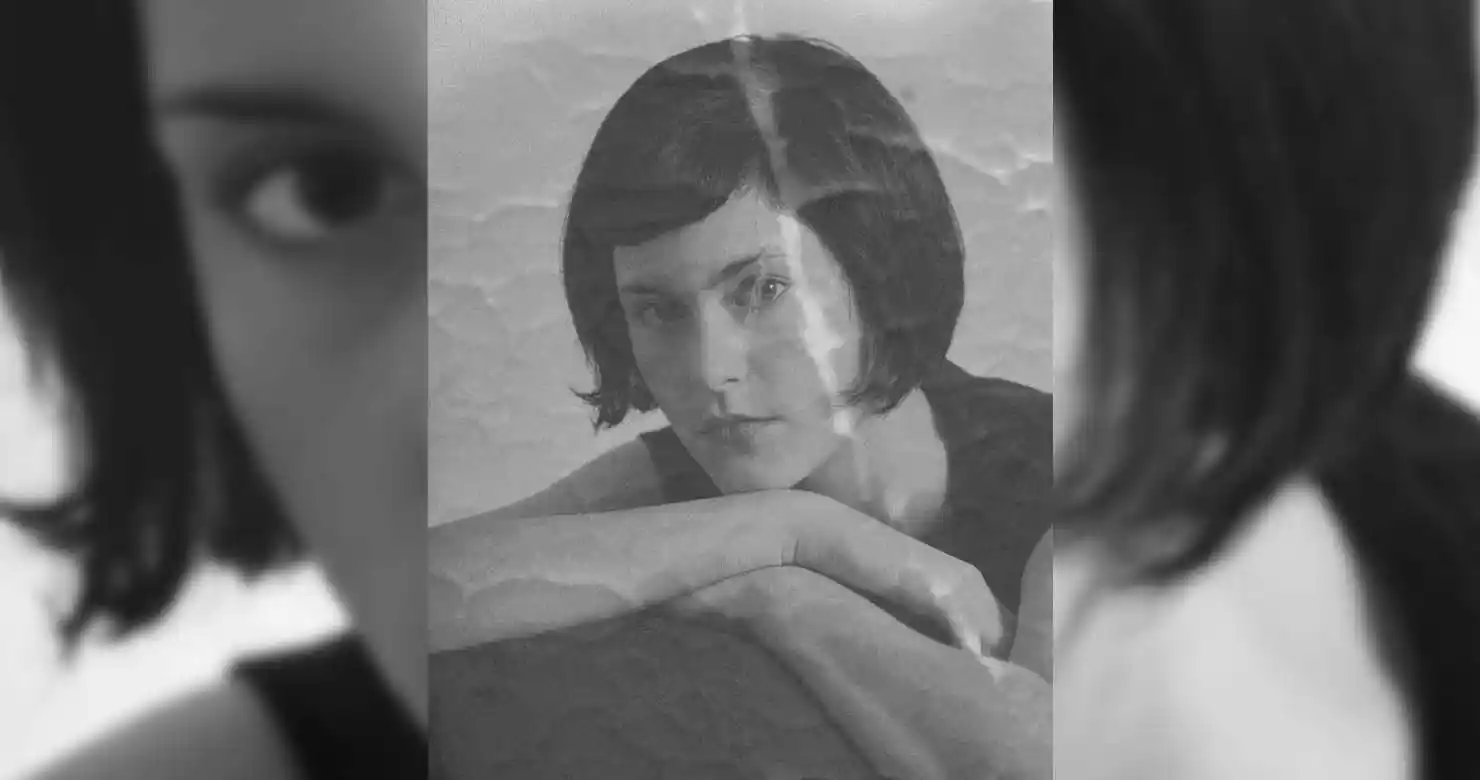
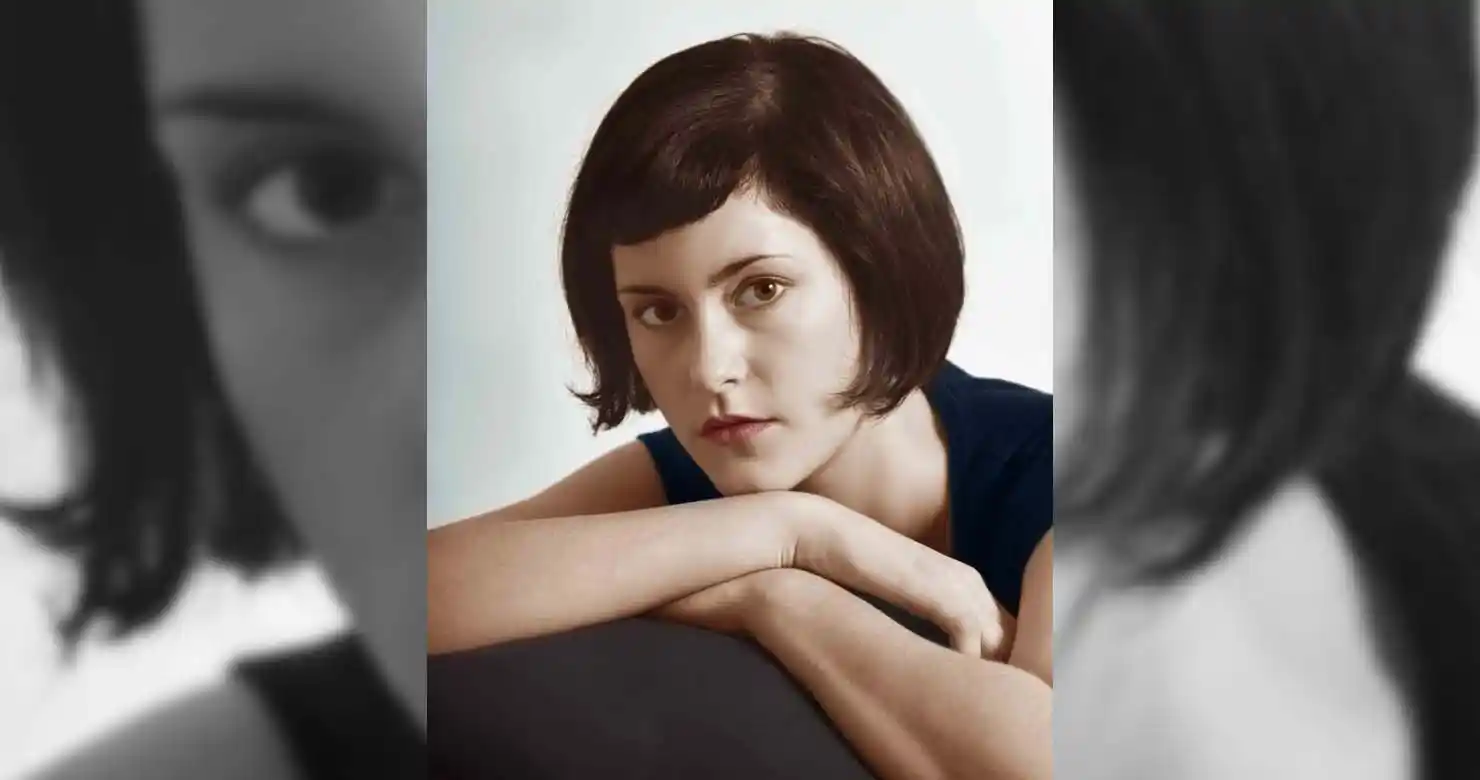
Drag the handle to compare. Want this on your own files? Send us a set and see it before you pay anything.
What Is Included
Every Conversion, Done Properly
Black and White to Colour
Vintage monochrome given realistic colour — skin, hair, fabric, brick and foliage each researched to the period rather than tinted from a single global guess.
Accurate Skin Tones
The hardest part of any colourisation and the first thing a family notices. Worked per face, because a plausible photograph with the wrong skin tone is still wrong.
Period-Correct Colour
Uniforms, insignia, livery, signage and dress colours matched to what they actually were where that is knowable, rather than to what looks pleasant.
Colour to Black and White
Modern photographs converted with proper tonal separation, so the result has depth and contrast rather than the flat grey a desaturation slider produces.
Sepia Tone Conversions
Authentic sepia toning for a genuine vintage look, matched to the era being evoked rather than the single orange preset every filter applies.
Digital Hand Colouring
The hand-tinted look of early studio portraits — selective, slightly translucent colour over a monochrome base, rather than full photographic colourisation.
Pricing
Priced By What It Takes
Basic
Clean originals with clear detail and straightforward subjects.
Advanced
Group photographs, complex clothing and backgrounds, or faded originals.
Premium
Damaged originals needing restoration first, or heavily detailed period scenes.
When To Use It
Worth It On These
How It Runs
Scan to Finished Colour
Send a scan
The highest resolution you can manage — a flatbed scan beats a phone photo of a print considerably. If the original is damaged, send it anyway.
Tell us what you know
Eye colour, hair colour, the colour of a dress or a uniform, where and roughly when it was taken. Every detail you supply is one we do not have to infer.
We colourise it
Colour built up in layers per element — skin, hair, clothing, background — with period references checked, so the result reads as a photograph rather than a tint.
Review and revise
If a family member says the coat was green, that beats any reference we could find. Tell us and we will change it — revisions are included until it is right.
Common Questions
Photo colorization questions
How much does photo colorization cost?
Colourisation is priced on the restoration tiers: Basic $3.50–$5.00 for clean originals with clear detail, Advanced $5.00–$8.00 for group photographs and complex clothing, and Premium $8.00–$10.00 where the original needs repairing first or the scene is heavily detailed.
Why not just use a free AI colouriser?
Automatic tools infer colour from what usually appears in similar photographs, which is averaging — it produces muddy skin and brown-grey clothing, and it applies the same wash across a whole album. It also has no access to the facts: the regiment, the decade, or that your grandmother had red hair.
How do you know what colour things actually were?
Two sources. Period references for anything knowable — uniforms, insignia, livery, signage, dyes available at the time — and whatever you can tell us. Family memory beats any reference we could find, so send everything you know.
What if I do not know the colours?
That is normal, and most jobs arrive that way. We work from period-plausible choices and tell you which elements were inferred rather than known, so you can correct anything a relative remembers differently.
Can you colourise a damaged photograph?
Yes, but repair comes first — tears, creases, water damage and fading are restored before any colour goes on, because colourising damage just produces coloured damage. That puts the job in the Premium tier.
What resolution should I scan at?
As high as you reasonably can. A flatbed scan at 600dpi or above is considerably better than a phone photograph of a print, and it makes a visible difference to how much fine detail survives into the finished colour version.
Do you convert colour photos to black and white?
Yes, with proper tonal separation rather than a desaturation slider. Simply removing colour flattens an image to grey; a real conversion rebuilds contrast so the result has the depth black-and-white photography is wanted for.
What is digital hand colouring?
The look of early hand-tinted studio portraits — selective, slightly translucent colour applied over a monochrome base, rather than full photographic colourisation. It suits period portraits where an authentic vintage feel matters more than realism.
Can I see it on my own photo first?
Yes. Send one photograph and we will colourise it free, with no card required. Show it to whoever remembers the person — that is the only review that counts.
Related Services
Colourisation is one part of bringing an old photograph back. These are the rest.
Get Started
Send Us a Photograph
Tell us how many images and anything you know about them, and we'll quote within 24 hours.
Photo Colorization
Project Details
Tell us how many photographs, roughly when they were taken, and whether any need restoring first.