
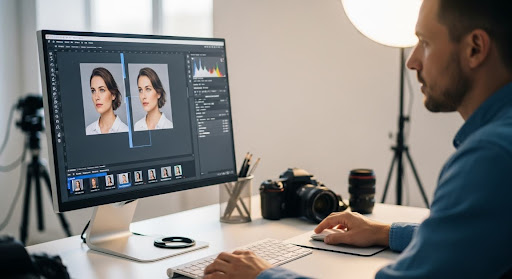
Photo Retouching: Transform Your Images Like a Pro

Photo retouching has become essential for photographers who want their work to stand out. Whether you shoot weddings, portraits, or product images, knowing how to enhance photos professionally can make the difference between good and extraordinary results. This guide will walk you through everything you need to know about photo retouching, from basic techniques to choosing the right services that save you time and deliver consistent quality.

Key Takeaways

This comprehensive guide covers the essentials of professional photo retouching and image retouching techniques. You’ll learn about different retouching methods, discover when to use photo retouching services, and understand how outsourcing can boost your photography business. We’ll also explore industry best practices that help photographers deliver stunning results faster while maintaining their creative vision and meeting client expectations consistently.

What Is Photo Retouching and Why Does It Matter?

Photo retouching is the process of enhancing images by correcting imperfections, adjusting colors, and improving overall visual quality to create polished, professional results.

Professional photographers know that raw images rarely capture the full potential of a scene. Image retouching transforms good photos into exceptional ones by removing distractions, enhancing lighting, and refining details that the camera might miss. For wedding photographers, this means perfecting skin tones and removing temporary blemishes. Product photographers use retouching to ensure items look their absolute best for e-commerce listings. Portrait artists rely on subtle enhancements that preserve natural beauty while creating magazine-quality results. The key is knowing when and how much retouching to apply without making images look artificial or over-processed.

Essential Photo Retouching Techniques Every Photographer Should Know

Understanding core retouching methods helps photographers communicate their needs clearly and achieve consistent results across their portfolio.

Skin Retouching: This involves smoothing texture while preserving natural pores, removing temporary blemishes, and evening out skin tones without making subjects look plastic. Professional retouchers use frequency separation techniques that separate texture from color information.

Color Correction: Adjusting white balance, correcting color casts, and ensuring consistent tones across an entire photo set. This becomes especially important when shooting in mixed lighting conditions or across multiple sessions.

Background Editing: Removing distractions, changing backgrounds entirely, or cleaning up cluttered scenes that take attention away from the main subject. Many professional photo editing services specialize in complex background work that would take hours to do manually.

Object Removal: Eliminating unwanted elements like power lines, exit signs, or temporary objects that detract from the composition. Advanced retouchers can remove large objects while reconstructing backgrounds seamlessly.

When Should You Use Professional Photo Retouching Services?

Knowing when to outsource photo retouching can transform your business by freeing up creative time and ensuring consistent quality.

Most photographers face the same challenge: spending more time editing than actually shooting. If you’re working on large projects like weddings with hundreds of images, product shoots requiring perfect consistency, or tight deadlines that leave no room for lengthy editing sessions, professional photo retouching services make strategic sense. The best photo retouching services offer fast turnaround times, often delivering results within 24-48 hours. This allows photographers to focus on client relationships, marketing, and actually taking more photos. Quality services also provide style matching, ensuring your unique editing aesthetic remains consistent even when you’re not doing the work yourself. For photographers who want to scale their business without sacrificing quality, outsourcing retouching work becomes a competitive advantage rather than an expense.

How to Choose the Best Photo Retouching Services for Your Needs

Selecting the right retouching partner requires evaluating several key factors that directly impact your workflow and final results.

Portfolio Quality: Review before-and-after samples that match your photography style. Look for natural-looking results rather than over-processed images. The service should demonstrate expertise in your specific niche, whether that’s weddings, portraits, real estate, or product photography.

Turnaround Time: Establish clear expectations about delivery schedules. Some projects need 24-hour turnaround, while others can wait longer. Make sure the service can handle your busiest seasons without quality drops.

Communication & Revision Policy: The best services provide clear communication channels and offer reasonable revision rounds. Understanding their process for handling feedback prevents frustration later.

Pricing Structure: Compare per-image costs versus bulk packages. Many services offer volume discounts that make more sense for professional photographers shooting regularly. Consider trying a free trial before committing to large projects.

Consistency Across Projects: A quality service maintains the same standards whether you send 10 images or 1,000. They should document your preferences and apply them consistently across all future work.

Photo Retouching Tools and Software: What Professionals Use

Understanding the technology behind professional retouching helps photographers appreciate the skill and time involved in quality editing work.

Adobe Photoshop remains the industry standard for detailed photo retouching work. It offers powerful tools like healing brushes, clone stamps, and advanced masking capabilities that allow precise control over every aspect of an image. Lightroom excels at batch processing and color grading, making it perfect for applying consistent adjustments across large photo sets. Capture One provides exceptional color accuracy and tethering capabilities preferred by studio photographers. Professional retouching services typically use a combination of these tools plus specialized plugins that automate repetitive tasks while maintaining quality. Many services now incorporate AI-powered tools that speed up basic adjustments, though human expertise remains essential for nuanced retouching that requires artistic judgment. For photographers considering DIY retouching, remember that owning the software is just the beginning—mastering these tools requires significant time investment that could be spent growing your business instead.

Common Photo Retouching Mistakes to Avoid

Even experienced photographers can fall into retouching traps that diminish rather than enhance their images.

Over-smoothing skin creates an unnatural plastic appearance that loses all texture and character. Proper skin retouching maintains pore structure while evening out tones. Excessive sharpening introduces digital artifacts and noise that reduce overall image quality. The goal is crisp detail, not harsh edges. Ignoring color theory leads to unbalanced images with clashing tones. Professional retouchers understand how colors interact and complement each other. Inconsistent editing across sets frustrates clients who expect cohesive galleries. Whether editing weddings or product lines, maintaining visual consistency matters tremendously. Neglecting white balance in the initial correction stage creates color casts that become harder to fix later. Start with proper exposure and white balance before moving to creative adjustments. Many photographers avoid these pitfalls entirely by working with experienced photo retouching services that have refined their processes over thousands of images.

How Photo Retouching Improves Different Photography Types

Different photography niches require specialized retouching approaches tailored to their unique needs and client expectations.

Wedding Photography: Couples expect flawless skin, vibrant colors, and emotionally impactful images. Retouching removes temporary blemishes, evens skin tones, and enhances the romantic atmosphere while keeping moments authentic and genuine.

Product Photography: E-commerce demands pixel-perfect results with accurate colors, clean backgrounds, and consistent lighting. Professional retouching eliminates shadows, corrects perspective distortion, and ensures products look exactly as customers will receive them.

Real Estate Photography: Property images need bright interiors, straight lines, and appealing colors that help homes sell faster. Retouching corrects lens distortion, balances interior and exterior exposures, and removes distracting elements. Photographers in this field often rely on specialized real estate photo editing services that understand market requirements.

Portrait Photography: Client satisfaction depends on enhancing features while maintaining natural appearance. This includes subtle skin smoothing, teeth whitening, and eye enhancement that boosts confidence without creating fake results.

The ROI of Outsourcing Photo Retouching

Understanding the financial impact of outsourcing helps photographers make informed business decisions about their editing workflow.

Calculate your hourly rate as a photographer, then compare it to the time you spend editing. If you charge $200 per hour for shoots but spend 10 hours editing photos that a service could handle for $150, you’re actually losing money. Those saved hours could be spent booking more clients, improving your marketing, or simply maintaining better work-life balance. Professional photo retouching services typically cost between $0.50 to $5 per image depending on complexity, which is significantly less than your opportunity cost. Beyond direct financial savings, outsourcing provides intangible benefits like consistent quality, faster delivery to clients, and reduced burnout. Photographers who outsource editing often report being able to take on 30-50% more projects annually. The math becomes even more compelling during busy seasons when turnaround time directly impacts your ability to book additional work. Consider starting small with a few projects to test the ROI before committing fully.

Conclusion

Photo retouching transforms good images into exceptional ones, helping photographers deliver the professional results their clients expect. Whether you choose to develop these skills yourself or partner with experienced photo retouching services, understanding the fundamentals ensures you maintain creative control while achieving consistent quality. For photographers looking to scale their business without sacrificing their unique style, outsourcing to the best photo retouching services offers a strategic advantage that frees up time for what matters most—capturing amazing moments. Ready to see the difference professional editing makes? Explore how Pinnacle Edits can help you deliver stunning results faster while you focus on growing your photography business.

What is photo retouching in photography?

Photo retouching is the process of digitally enhancing images by correcting imperfections, adjusting colors, removing unwanted elements, and improving overall visual quality. It transforms raw photographs into polished, professional images that meet client expectations and industry standards while maintaining natural appearance.

How much does professional photo retouching cost?

Professional photo retouching typically costs between $0.50 to $5 per image depending on complexity and turnaround time. Basic adjustments like color correction cost less, while advanced retouching with skin work and background changes costs more. Many services offer bulk discounts for large projects, making professional photo editing services more affordable for regular clients.

How long does photo retouching take?

Simple photo retouching takes 15-30 minutes per image, while complex retouching requiring detailed skin work or background replacement can take 1-3 hours. Professional services often deliver results within 24-48 hours for standard projects. Turnaround time varies based on project size, complexity, and whether you choose rush processing options for urgent deadlines.

What is the difference between photo editing and photo retouching?

Photo editing involves basic adjustments like exposure, contrast, and cropping that affect the entire image. Photo retouching focuses on detailed, localized improvements like skin smoothing, blemish removal, and object elimination. Editing enhances overall appearance, while retouching perfects specific elements to create flawless results that require precision and artistic skill.

Can photo retouching fix blurry images?

Photo retouching can slightly improve mildly soft images using sharpening techniques, but cannot fix severely blurred or out-of-focus photos. If blur results from slight camera shake, retouching helps. However, motion blur or significant focus issues cannot be corrected through editing. Prevention through proper shooting technique remains more effective than attempting fixes afterward.

Is photo retouching ethical in professional photography?

Photo retouching is ethical when used to enhance images without deceiving viewers or creating unrealistic expectations. Professional photographers use retouching to correct lighting issues, remove temporary blemishes, and present subjects at their best. Transparency matters—disclose significant alterations for editorial work. Wedding and event photography benefits from tasteful retouching that preserves authenticity.

What software do professionals use for photo retouching?

Adobe Photoshop is the industry standard for professional photo retouching, offering advanced tools for detailed work. Lightroom excels at batch processing and color grading. Capture One provides superior color accuracy for studio work. Professional retouchers often use multiple programs plus specialized plugins to achieve optimal results efficiently while maintaining consistent quality standards.

How can I learn photo retouching skills?

Start with online tutorials covering Photoshop basics, then practice on personal photos regularly. Take structured courses from platforms like Udemy or Skillshare focusing on your photography niche. Study before-and-after examples to understand professional techniques. Join photography communities for feedback. Alternatively, many photographers outsource to image editing specialists while focusing on shooting and client relationships.

Should I outsource photo retouching or do it myself?

Outsource photo retouching if editing takes more time than shooting, you handle large volumes, or lack advanced editing skills. DIY retouching works for photographers with time, proper software, and developed skills who shoot smaller volumes. Consider your hourly rate—if outsourcing costs less than your time value, it’s smart business. Many successful photographers use professional editing services to scale their businesses effectively.
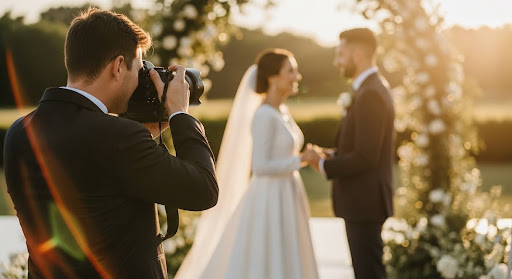
8 Wedding Photography Secrets Every Photographer Should Know

Wedding photography is more than just taking pictures it’s about capturing once-in-a-lifetime moments that couples will treasure forever. Whether you’re a seasoned professional or just starting your journey, mastering the art of wedding photography requires technical skill, creative vision, and attention to detail. From understanding lighting conditions to perfecting your post-production workflow, every element plays a crucial role in delivering stunning images. In this guide, we’ll explore essential tips that will help you elevate your wedding photography game and create timeless memories for your clients.

Key Takeaways

  • Master natural and artificial lighting techniques to create flattering, professional wedding images in any venue
  • Build strong client relationships through pre-wedding consultations and shot list planning for comprehensive coverage
  • Streamline your editing workflow with professional wedding photo editing services to deliver consistent, high-quality results faster

Understanding Light: The Foundation of Beautiful Wedding Photography

Natural light is your best friend when it comes to wedding photography. The golden hour—just after sunrise or before sunset creates soft, warm tones that make couples glow naturally. During ceremonies, position yourself to use window light or ambient venue lighting to your advantage. Always scout the venue beforehand to identify the best lighting spots for portraits and group shots.

Indoor wedding venues can be challenging with mixed lighting sources. Use a flash diffuser to soften harsh artificial light and maintain natural skin tones. Adjust your ISO settings between 800-3200 depending on the venue’s brightness. Remember, proper lighting during the shoot reduces the need for extensive corrections during pre wedding photography editing. Balancing ambient light with flash creates depth and dimension in your images. Practice off-camera flash techniques to add drama to reception photos while keeping the atmosphere romantic and authentic.

Building Your Shot List: Never Miss a Critical Moment

Create a comprehensive shot list before every wedding to ensure complete coverage. Start with essential moments: the bride getting ready, first look, ceremony processional, vow exchange, ring exchange, first kiss, and recessional. Include family portrait combinations, wedding party shots, and detail photos of rings, flowers, and decorations.

Communicate with your couples during pre-wedding consultations to understand their priorities. Some families have specific groupings they want captured, while others prefer more candid storytelling approaches. Document these preferences and share your shot list timeline with your second shooter if you have one. Having a structured plan keeps you organized during the fast-paced wedding day. Include buffer time for unexpected delays or special requests. A well-planned shot list ensures you deliver a complete narrative that tells the couple’s unique love story from start to finish.

Composition Techniques That Create Emotional Impact

The rule of thirds remains a powerful composition tool for wedding photography. Position your subjects off-center to create more dynamic and visually interesting images. Use leading lines like aisles, archways, or staircases to draw viewers’ eyes toward the couple. Incorporate foreground elements such as flowers or architectural details to add depth and context.

Experiment with different perspectives throughout the day. Shoot from high angles during the ceremony for a bird’s-eye view of the venue. Get down low for dramatic upward angles that emphasize the couple against beautiful skies or tall buildings. Wide-angle shots capture the venue atmosphere, while telephoto lenses compress backgrounds for intimate portraits. Mix vertical and horizontal orientations to give clients variety. Pay attention to backgrounds—eliminate distractions by changing your angle or adjusting your depth of field. Frame couples within natural elements like doorways, windows, or tree branches for storytelling context. These compositional choices transform standard wedding photos into magazine-worthy images.

Capturing Authentic Emotions and Candid Moments

The best wedding photos happen in unscripted moments between posed portraits. Stay alert during preparation time when bridesmaids share emotional reactions or the groom nervously adjusts his tie. During the ceremony, focus on genuine expressions—tears during vows, laughter during readings, or parents’ proud faces. These candid shots often become the most cherished images.

Position yourself strategically to anticipate emotional moments without being intrusive. Use a longer lens during the ceremony to stay unobtrusive while capturing intimate expressions. Watch for interactions between guests during cocktail hour old friends reuniting, children playing, grandparents dancing. The reception offers countless opportunities for authentic emotion: first dances, toasts, surprise performances, and spontaneous celebrations. Build rapport with your clients beforehand so they feel comfortable being themselves around your camera. When couples trust you, they relax and their true personalities shine through. Balance your shot list requirements with flexible time for documentary-style photography that captures the wedding day’s genuine spirit and energy.

Equipment Essentials for Professional Wedding Coverage

Invest in reliable, professional-grade camera bodies with excellent low-light performance. Having two camera bodies ensures you never miss a shot due to equipment failure or time lost changing lenses. Pair them with versatile zoom lenses a 24-70mm for general coverage and a 70-200mm for ceremonies and distant candids. Include a fast prime lens like a 50mm f/1.4 or 85mm f/1.8 for beautiful portrait bokeh.

Essential gear checklist:

  • Two professional camera bodies
  • 24-70mm f/2.8 zoom lens
  • 70-200mm f/2.8 telephoto lens
  • 50mm or 85mm f/1.8 prime lens
  • External flashes with diffusers
  • Backup batteries and memory cards
  • Reflectors and light stands

Always carry backup equipment including extra batteries, memory cards, and at least one backup camera body. Invest in quality straps and camera bags that distribute weight comfortably during 8-10 hour wedding days. Memory cards should be high-speed and reliable never compromise on storage. Use dual card slots to simultaneously back up images as you shoot. Professional wedding photography editing starts with well-captured RAW files that give maximum flexibility during post-production.

Post-Production Workflow: From Raw Files to Stunning Results

Developing an efficient editing workflow saves hours while maintaining consistency across hundreds of wedding images. Start by culling through photos immediately after the wedding to select the best shots. Remove duplicates, closed eyes, and technically flawed images. Organize remaining photos by timeline segments: getting ready, ceremony, portraits, and reception.

Apply basic adjustments first correct exposure, white balance, and crop for composition. Develop a consistent editing style using presets as a starting point, then fine-tune individual images. Color correction ensures skin tones remain natural across different lighting conditions. Batch processes similar photos to maintain visual consistency throughout the album. Many photographers partner with professional wedding photo editing services to handle time-consuming retouching while maintaining their signature style.

Efficient editing steps:

  1. Import and backup RAW files immediately
  2. Cull and rate images (keep only the best)
  3. Apply bulk adjustments (exposure, white balance)
  4. Individual editing for hero shots
  5. Final retouching and color grading
  6. Export in multiple formats for delivery

Outsourcing tedious editing tasks to specialists lets you focus on shooting more weddings and building client relationships. Professional editing services deliver consistent results with faster turnaround times, helping you meet tight delivery deadlines. Establish a style guide for your editing partner to ensure they match your aesthetic preferences perfectly.

Building Client Relationships for Long-Term Success

Wedding photography is a relationship-driven business where word-of-mouth referrals generate the majority of bookings. Start building trust during initial consultations by listening carefully to couples’ vision and concerns. Share your portfolio selectively, showing work that matches their style preferences. Be transparent about your packages, pricing, and what’s included.

Schedule engagement sessions to help couples become comfortable in front of your camera before their big day. This practice run reveals their natural dynamics and helps you identify their best angles. Send periodic updates leading up to the wedding with timeline confirmations and helpful tips. After the wedding, deliver a sneak peek within 48 hours to maintain excitement. Your full gallery delivery timeline should be clearly communicated upfront and consistently met. Follow up after delivery to request testimonials and reviews. Happy clients become brand ambassadors who refer friends and family. Invest in excellent customer service, reliable communication, and timely delivery to build a sustainable, thriving wedding photography business.

Conclusion

Mastering wedding photography combines technical excellence, creative vision, and professional reliability. By understanding lighting techniques, building comprehensive shot lists, and capturing authentic emotions, you create images that tell compelling love stories. Professional equipment ensures you’re prepared for any situation, while efficient post-production workflows help you deliver stunning results on time. Remember that wedding photography is ultimately about people building genuine relationships with couples and their families creates trust and leads to referrals. Partner with experienced editing professionals to streamline your workflow and maintain consistency across all your work. Ready to elevate your wedding photography business? Start your free trial with Pinnacle Edits today and discover how professional editing transforms your images while saving valuable time.

What equipment do I need to start a wedding photography business?

You need two professional camera bodies for backup, versatile zoom lenses (24-70mm and 70-200mm), fast prime lenses, external flashes with diffusers, and plenty of backup batteries and memory cards. Reliable equipment prevents missed shots during critical moments.

How long does wedding photo editing typically take?

Professional editing for a full wedding (500-800 images) typically takes 20-30 hours. This includes culling, color correction, retouching, and final adjustments. Professional editing services can reduce turnaround time to 3-5 business days while maintaining quality.

What’s the best time of day for wedding photography?

The golden hour—one hour after sunrise or before sunset—provides the most flattering natural light. However, great photos are possible anytime with proper lighting techniques. Scout venues beforehand to identify optimal shooting locations throughout the day.

How many photos should I deliver for a wedding?

Most photographers deliver 50-100 edited images per hour of coverage. An eight-hour wedding typically results in 400-800 final images. Focus on quality over quantity, ensuring each delivered photo meets professional standards.

Should I shoot in RAW or JPEG format?

Always shoot in RAW format for wedding photography. RAW files contain maximum image data, giving you flexibility during post-production editing to recover highlights, adjust shadows, and perfect colors without quality loss.

How do I handle difficult lighting conditions at wedding venues?

Use a combination of flash and ambient light, adjust ISO settings appropriately, and utilize reflectors or off-camera lighting. Shoot test shots during venue walkthroughs to determine optimal camera settings before the ceremony begins.

What’s the difference between wedding photography styles?

Traditional wedding photography focuses on posed portraits and formal shots. Photojournalistic style captures candid, unscripted moments. Fine art photography emphasizes creative, editorial-style images. Most photographers blend multiple styles to tell complete wedding stories.

How can I speed up my wedding photo editing workflow?

Develop consistent editing presets, use batch processing for similar images, cull photos immediately after shooting, and consider outsourcing to professional photo editors. Efficient workflows help you deliver galleries faster while maintaining quality standards.

Video Editing Services: Expert Guide to Professional Content in 2025

Video content dominates digital marketing in 2025. Professional video editing services help creators and businesses produce polished, engaging videos that capture audience attention and drive results. Whether you’re a YouTuber, real estate agent, or e-commerce seller, expert editing saves time while delivering stunning visual quality.

This guide explores how video editing services work, their benefits, and why outsourcing to a trusted video editing agency makes sense for your business.

Key Takeaways

  • Professional video editing services enhance visual quality and storytelling through expert color correction, transitions, and effects
  • Outsourcing editing saves creators 15-20 hours weekly, allowing focus on content creation and business growth
  • The global video editing market is projected to reach $4.78 billion by 2030, driven by AI tools and cloud-based workflows
  • 96% of consumers watch videos to learn about products before purchasing, making quality editing essential for conversions

What Are Video Editing Services?

Video editing services involve professional post-production work that transforms raw footage into polished, engaging content. These services provide tools for cutting, splicing, merging, enhancing, and applying effects to video footage, making them suitable for filmmaking, social media content creation, marketing, and educational materials.

A professional video editing company handles everything from basic trimming to advanced color grading and motion graphics. Services typically include scene transitions, audio enhancement, subtitle integration, and special effects. Many editing teams also offer custom branding elements to maintain consistency across your video library.

For photographers and content creators, partnering with specialists like professional photo and video editing services ensures your visual content stands out in crowded markets.

Why Businesses Need Professional Video Editing Services

Time Savings and Efficiency

Editing videos consumes significant time and effort. Professional editors handle technical tasks quickly, freeing creators to focus on filming and strategy. Businesses are projected to spend an average of $20,000 annually on video marketing by 2025, reflecting the recognition of video as a vital component of effective marketing strategies.

A skilled video editing agency can complete in hours what might take an amateur days. This efficiency matters when deadlines are tight and content calendars are full.

Enhanced Visual Quality

Professional editors bring technical expertise that elevates production value. They understand lighting correction, color balance, audio mixing, and pacing. These skills create videos that look and feel professional, even when filmed with basic equipment.

Quality editing makes the difference between a video viewers scroll past and one that holds attention. 96% of consumers use video content to learn more about products and services before purchasing. Poor editing can undermine trust, while polished videos build credibility.

For property showcases, working with experts in real estate photography ensures your listings look their absolute best.

Consistent Brand Identity

Professional editing services maintain visual consistency across all your content. They apply your brand colors, fonts, and style guidelines to every video. This consistency strengthens brand recognition and creates a cohesive viewing experience for your audience.

A reliable video editing company develops custom templates and presets specifically for your brand. These assets speed up future projects while ensuring every video reflects your unique identity.

Top Video Editing Trends Shaping 2025

AI-Powered Editing Tools

Artificial Intelligence is revolutionizing video editing by automating complex tasks, enhancing efficiency, and enabling innovative creative possibilities, with AI algorithms analyzing footage to identify key scenes, suggest edits, and assemble rough cuts.

AI tools now handle:

  • Automated scene detection and rough cuts
  • Intelligent color correction and enhancement
  • Automatic subtitle generation and translation
  • Smart audio cleanup and noise reduction

These technologies reduce editing time while maintaining professional quality standards.

Short-Form Video Dominance

Short-form video has become a top video editing trend because of the rise of innovative video sharing sites, with content usually spanning less than 2.5 minutes and being uploaded on social media platforms.

Platforms like TikTok, Instagram Reels, and YouTube Shorts prioritize bite-sized content. Editors must now create compelling narratives in under 60 seconds, requiring precise pacing and immediate visual impact.

Vertical Video Optimization

Vertical videos with a 9:16 aspect ratio are commonly used in vertical format and, when seen on a smartphone, fill up the whole vertical screen, with marketers and editors considering the vertical format since people spend so much time with their smartphones.

Professional video editing services now optimize content specifically for mobile viewing, ensuring your videos look great on any device.

Cloud-Based Collaboration

Cloud-native collaboration compresses production timelines for over-the-top (OTT) studios, with real-time review, version control, and parallel rendering on shared cloud storage accelerating turnaround.

This trend enables faster feedback loops and seamless teamwork between creators and editors across different locations.

For specialized editing needs, services like wedding and event color correction ensure your important moments are captured perfectly.

How to Choose the Right Video Editing Service

Experience and Portfolio

Review samples of previous work before hiring. Look for editors who’ve worked on projects similar to yours. A diverse portfolio demonstrates versatility, while niche experience shows deep understanding of specific requirements.

Check whether the video editing agency has experience in your industry—whether that’s real estate, weddings, e-commerce, or social media content.

Turnaround Time and Communication

Fast turnaround matters when you’re running campaigns or maintaining content schedules. Ask about typical delivery times and rush options. Clear communication channels prevent misunderstandings and ensure your vision gets executed correctly.

The best video editing company provides regular updates, welcomes feedback, and delivers on promised timelines.

Pricing and Service Packages

Compare pricing models—some editors charge per project, others per hour or via monthly retainers. Look for transparent pricing without hidden fees. Consider whether services include revisions and how many rounds are included.

For comprehensive solutions, explore our pricing to find packages that fit your budget and needs.

Technical Capabilities

Ensure your chosen service handles the video formats, resolutions, and effects you need. Ask about:

  • 4K and 8K resolution support
  • Color grading capabilities
  • Motion graphics and animation skills
  • Audio mixing and enhancement
  • Platform-specific optimization

A technically skilled team can adapt to evolving requirements as your content strategy grows.

The Future of Video Editing Services

The global video editing market generated USD 3.54 billion in 2025 and is projected to reach USD 4.78 billion by 2030, advancing at a 6.19% CAGR, as cloud deployment, AI-assisted workflows, and mobile-first creation reshape competitive priorities.

Emerging technologies will continue transforming video editing:

  • Virtual and augmented reality editing for immersive experiences
  • 8K resolution workflows requiring powerful processing capabilities
  • Automated personalization that customizes videos for individual viewers
  • Interactive video elements that boost engagement and conversions

Staying ahead means partnering with a forward-thinking video editing agency that embraces innovation while maintaining the human creativity that makes content truly compelling.

Conclusion

Professional video editing services are essential for anyone serious about video content in 2025. They save time, enhance quality, and ensure your videos make the intended impact. With video consumption reaching 3.48 billion internet users globally, the opportunity to reach audiences through quality video content has never been greater.

Whether you’re creating social media clips, product demos, or event highlights, expert editing transforms ordinary footage into extraordinary content. By outsourcing to a trusted video editing company, you free up time to focus on what you do best—creating and connecting with your audience.

Ready to elevate your video content? Contact us to learn how our professional editing services can transform your footage into compelling stories that engage and convert.

What services do professional video editors provide?

Professional video editors offer comprehensive post-production services including footage trimming, color correction, audio enhancement, subtitle integration, motion graphics, and special effects. They transform raw footage into polished content optimized for your target platform and audience.

How much do video editing services typically cost?

Video editing costs vary based on project complexity, length, and turnaround time. Basic edits may start at $50-100 per video, while professional projects with advanced effects range from $500-2000+. Many agencies offer monthly packages for regular content creators.

Why should I outsource video editing instead of doing it myself?

Outsourcing saves significant time while delivering professional results. Expert editors possess technical skills, specialized software, and creative experience that takes years to develop. This allows you to focus on content creation and business growth rather than technical editing tasks.

What’s the difference between a video editing agency and freelance editor?

editing agency typically offers comprehensive services, consistent availability, and backup resources if issues arise. Freelancers often provide more personalized attention and competitive pricing but may have limited availability or narrower skill sets depending on their specialization.

How long does professional video editing typically take?

Turnaround times depend on project complexity and length. Simple social media clips may be ready within 24-48 hours, while complex productions with effects and animations can take 1-2 weeks. Rush services are often available for urgent deadlines.

What video formats and resolutions do editing services support?

Professional services handle all standard formats including MP4, MOV, AVI, and specialized formats for different platforms. Most support HD (1080p), 4K, and increasingly 8K resolution editing with proper color grading and platform-specific optimization for social media or broadcast.

Can video editing services help with social media optimization?

Yes, professional editors optimize videos specifically for platforms like Instagram, TikTok, YouTube, and Facebook. This includes proper aspect ratios (vertical, square, or horizontal), caption placement, platform-specific effects, and length optimization for maximum engagement and algorithm performance.

How do I provide feedback during the video editing process?

Most professional services offer structured revision processes with feedback forms, timestamped comments, or collaborative platforms where you can add notes directly to the timeline. Clear communication channels ensure your vision is accurately implemented throughout the editing process.

What makes Pinnacle Edits different from other video editing companies?

Pinnacle Edits combines fast turnaround times with personalized service and affordable pricing. We specialize in helping photographers and content creators achieve professional results without breaking the bank, with expertise in wedding videos, real estate content, and social media optimization.

Are there video editing services that specialize in specific industries?

Yes, many editing services specialize in niches like real estate, weddings, corporate videos, or social media content. Specialized services understand industry-specific requirements, trends, and best practices, resulting in more effective final products tailored to your target audience.